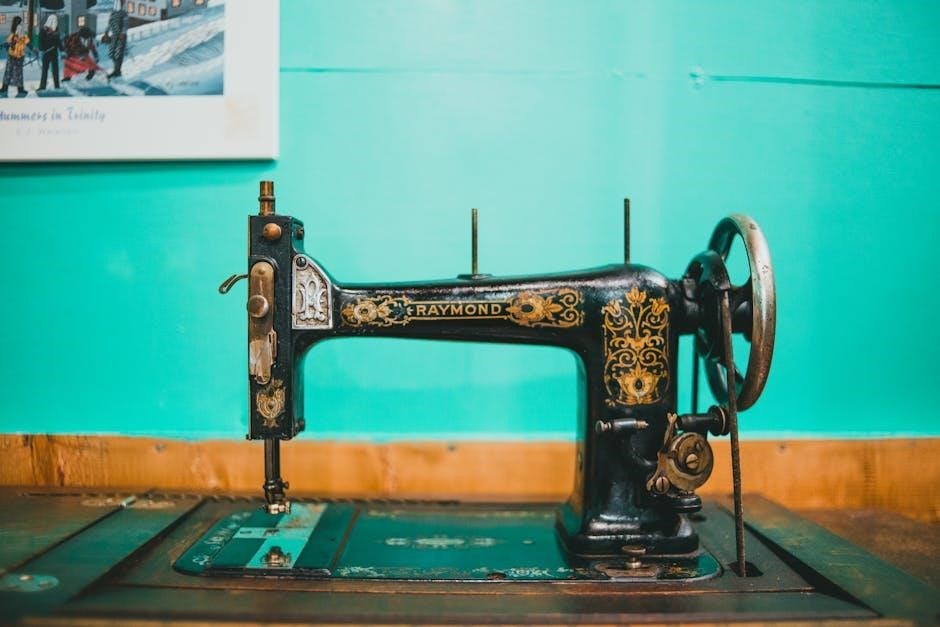
Singer Stylist Manual: A Comprehensive Guide
This manual delves into the world of Singer sewing machines, offering detailed insights into classic models and restoration techniques.
Discover the nuances of identifying various Singer Stylist machines, from the 774 to the iconic 301, and beyond!
Vintage Singer Stylist sewing machines represent a golden era of engineering and design, captivating enthusiasts with their durability and aesthetic appeal. These machines, particularly those from the mid-20th century, offer a unique blend of functionality and artistry. Understanding their history and identifying key features is crucial for collectors and users alike.
The “Stylist” designation often indicates models boasting enhanced features and decorative capabilities compared to earlier, more basic Singers. This guide aims to unravel the complexities of these machines, providing a comprehensive resource for anyone interested in exploring the world of vintage Singer sewing. From recognizing subtle visual cues to understanding the mechanics within, we’ll embark on a journey to appreciate these remarkable pieces of history. Prepare to delve into the details that make each Singer Stylist model unique and desirable.
The Allure of Singer Sewing Machines
Singer sewing machines have long held a special place in the hearts of sewists and collectors, embodying a legacy of quality and innovation. Their enduring appeal stems from a combination of robust construction, reliable performance, and timeless design. Unlike modern computerized machines, vintage Singers offer a tactile and engaging sewing experience, fostering a deeper connection with the craft.
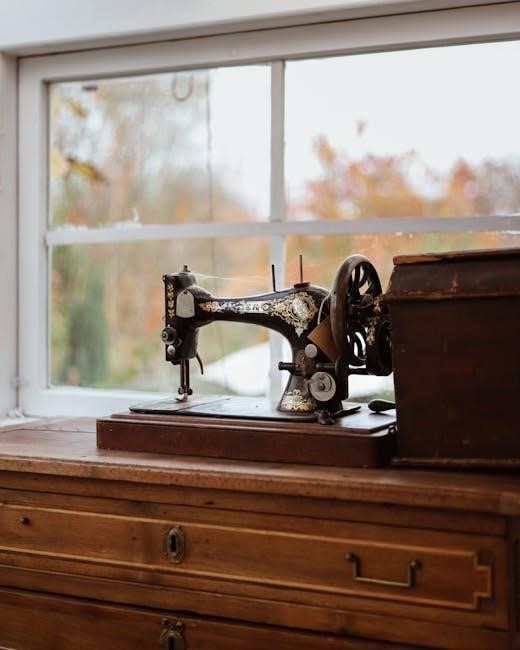
The allure extends beyond functionality; these machines are often considered works of art, showcasing beautiful curves, intricate detailing, and durable finishes. The “Classic Blacks,” for example, represent a pinnacle of Singer’s design aesthetic. Owning a vintage Singer isn’t just about having a sewing machine; it’s about preserving a piece of history and enjoying a machine built to last for generations, offering a satisfying and rewarding sewing journey.
Understanding Singer Model Numbers
Deciphering Singer model numbers is crucial for identification and understanding a machine’s features. While Singer’s numbering system isn’t always straightforward, certain patterns emerge. Numbers generally indicate the year of introduction or a specific design series. For instance, the popular 206, 306, and 320 fall within the “Swing Needle” series, sharing core mechanics but exhibiting slight variations.
Models like the 774 Stylist, 784 Touch & Sew, and 807 Finesse represent distinct eras and feature sets. Early models, such as the VS2 and M100 Magic Tailor, have unique designations reflecting their historical context. Recognizing these numbers allows owners to access specific manuals, parts lists, and online resources, facilitating restoration and maintenance. Careful observation of the model number is the first step in unlocking a Singer machine’s story.
Identifying Key Singer Stylist Models
Explore iconic Singer Stylists like the 774, 784, 807, and 1100, alongside classic black models such as the 206/306/320 and the esteemed 301.
The Singer 774 Stylist: A Detailed Overview
The Singer 774 Stylist represents a significant step in Singer’s evolution, offering a blend of functionality and modern design for its time. This model, part of the Stylist series, quickly gained popularity among sewing enthusiasts due to its ease of use and reliable performance. Identifying a 774 often involves recognizing its distinct curves and overall aesthetic, even from less-than-ideal photographs, as noted in vintage sewing machine identification guides.
Key features of the 774 include a range of stitch options and a user-friendly interface. While not as complex as later models, it provided a substantial upgrade over earlier Singers, catering to both beginners and experienced sewers. Understanding the visual clues – the shape of the body, the placement of dials, and the overall silhouette – are crucial for accurate identification, especially when browsing online marketplaces like Craigslist, where image quality can be poor.
The 774’s enduring appeal lies in its robust construction and the availability of replacement parts, making it a viable option for those seeking a vintage machine that can still deliver years of service. It’s a testament to Singer’s engineering prowess and a beloved machine within the vintage sewing community.
Singer 784 Touch & Sew: Features and Functionality
The Singer 784 Touch & Sew marked a pivotal moment in sewing machine technology, introducing electronic stitch selection via a touch panel – a revolutionary feature for its era. This model, part of the Stylist series, aimed to simplify the sewing process, making it more accessible to a wider range of users. Identifying the 784 relies on recognizing its distinctive touch panel and streamlined design, often visible even in lower-quality images.
Functionally, the 784 offered a diverse array of stitch patterns and adjustable settings, allowing for greater creative control. The touch panel eliminated the need for manual dials, streamlining stitch selection and enhancing the overall user experience. Despite its electronic components, the 784 retained the robust build quality synonymous with Singer machines.

Its enduring popularity stems from its blend of innovation and reliability, making it a sought-after machine among vintage sewing enthusiasts. Finding replacement parts can be manageable, ensuring continued functionality for years to come.
Singer 807 Finesse: Design and Capabilities
The Singer 807 Finesse, another member of the Stylist family, presented a sleek and modern aesthetic, distinguishing itself with a refined design and enhanced functionality. This machine catered to sewists seeking both style and performance, offering a range of features within a compact footprint. Identifying the 807 often involves noting its unique body shape and control layout, visible even in less-than-ideal photographs.
Capabilities included a variety of stitch options, adjustable stitch length and width, and a reliable motor capable of handling diverse fabric types. The 807 aimed to provide a smooth and consistent sewing experience, appealing to both beginners and experienced users. Its build quality reflected Singer’s commitment to durability.
Today, the 807 remains a popular choice for those seeking a vintage machine with a touch of elegance and dependable performance.
Singer 1100: A Popular Choice for Beginners
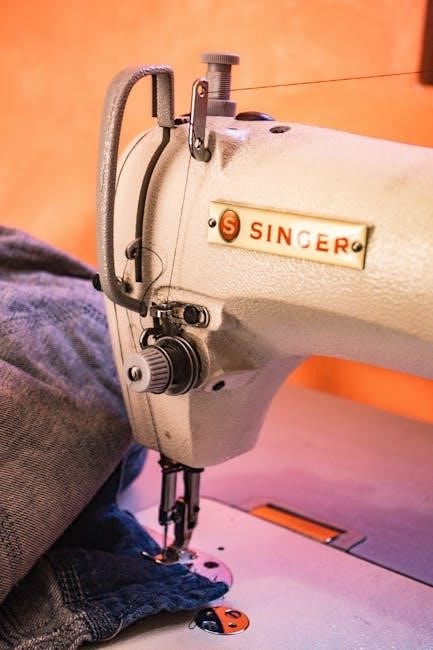
The Singer 1100 quickly became a favored option for those new to sewing, lauded for its user-friendly design and straightforward operation. Part of the Stylist series, it offered essential features without overwhelming complexity, making it an ideal learning machine. Identifying a Singer 1100 often relies on recognizing its relatively simple body style and the characteristic Singer logo placement.
This model typically included basic stitch selections, adjustable stitch length, and a dependable motor suitable for common household fabrics. Its lightweight construction and portability added to its appeal, allowing for easy storage and transport. The 1100’s robust build ensured longevity, even with frequent use.
Even today, the Singer 1100 remains a sought-after machine for beginners and those needing a reliable, no-frills sewing solution.
Exploring Classic Black Singer Models
These iconic machines, like the 206, 306, and 320 Swing Needle series, represent Singer’s pinnacle of design and engineering, offering lasting quality.
The Singer 206/306/320 Swing Needle Series
The 206, 306, and 320 represent a highly sought-after line within the classic black Singer models, often collectively referred to as the “Swing Needle” series. These machines are celebrated for their robust construction, smooth operation, and distinctive swing needle mechanism, offering a unique sewing experience. Variations exist within this series, primarily concerning decorative features and slight mechanical adjustments, but the core functionality remains remarkably consistent.
These models are known for their ability to handle a wide range of fabrics and sewing tasks, from delicate silks to heavier denim. Their durability ensures they can withstand years of consistent use, making them a favorite among vintage sewing enthusiasts. Identifying these models often involves examining the machine’s serial number and specific features, as subtle differences can distinguish between the 206, 306, and 320 variants. They truly embody Singer’s commitment to quality and innovation.
Singer 301: The Pinnacle of Singer Machines
Widely regarded as the pinnacle of Singer machines, the Model 301 stands as a testament to exceptional engineering and enduring quality. This classic black Singer boasts a unique and highly efficient swing needle mechanism, delivering a remarkably smooth and consistent stitch. Its robust construction and precision components contribute to its legendary durability, ensuring decades of reliable performance.
The Singer 301 is celebrated for its ability to handle a diverse range of fabrics and sewing projects, from delicate garments to heavy-duty upholstery. Many sewing enthusiasts consider it the gold standard against which all other vintage machines are measured. Its sleek design and user-friendly operation further enhance its appeal, making it a prized possession for both collectors and everyday sewers. It’s a truly remarkable machine!
Identifying Variations within Classic Black Models
Classic black Singer models, like the 206, 306, and 320 Swing Needle series, exhibit subtle yet significant variations. These differences often relate to serial numbers, decorative features, and slight mechanical adjustments. Recognizing these nuances is crucial for accurate identification and valuation. Serial number databases and online forums are invaluable resources for deciphering production dates and specific model characteristics.
Pay close attention to details such as the shape of the handwheel, the style of the faceplate, and the presence of any unique markings. Even minor alterations can indicate a specific sub-model or a factory modification. Thorough examination and comparison with documented examples are key to unraveling the complexities within this popular series. Careful observation unlocks the secrets!
Early Singer Models and Unique Designs
Explore the fascinating history of Singer’s pioneering machines, including the M100 Magic Tailor and VS2, showcasing innovative designs and historical significance.
Singer M100 Magic Tailor: A Look Back
The Singer M100 Magic Tailor represents a unique chapter in Singer’s history, offering a glimpse into early 20th-century sewing technology. This machine, often sought after by collectors, stands out due to its distinctive cabinet design and specialized features geared towards tailoring. It wasn’t a mass-produced model like some of its counterparts, adding to its rarity and appeal.
Originally marketed as a complete tailoring system, the M100 included various attachments and tools intended to simplify the process of creating custom-fitted garments. Its construction and mechanics reflect the ingenuity of Singer engineers during that era. Identifying a genuine M100 requires attention to detail, including the specific cabinet style and machine serial number. Restoring one of these machines is a rewarding endeavor, preserving a piece of sewing history.
Singer VS2: Historical Significance
The Singer VS2, a vibratory shuttle machine, holds a significant place in Singer’s evolution, bridging the gap between earlier designs and the more modern machines that followed. Produced during a period of innovation, the VS2 showcased advancements in sewing technology, offering improved stitch quality and efficiency compared to its predecessors. Its historical importance lies in its role as a transitional model, influencing subsequent Singer designs.
This machine represents a key step in the development of domestic sewing machines, making tailoring and garment construction more accessible to home users. Identifying a VS2 involves recognizing its unique vibratory shuttle mechanism and characteristic body style. Collectors value the VS2 for its historical context and its representation of a pivotal moment in sewing machine history, making restoration a worthwhile pursuit.
Wheeler & Wilson D9 (Singer-Produced): Unique Characteristics
The Wheeler & Wilson D9 presents a fascinating chapter in sewing machine history, particularly due to its production by Singer after 1905. While bearing the Wheeler & Wilson name, Singer manufactured these machines, resulting in a unique blend of design philosophies. A defining characteristic is its distinctive square-section pillar, setting it apart visually from typical Singer models of the era.
This machine utilized a unique vibrating shuttle system, differing from Singer’s oscillating shuttle. Identifying a Singer-produced D9 requires careful examination of markings and construction details. Collectors prize these machines for their rarity and the intriguing story behind their manufacture, representing a period of industry consolidation and adaptation. Restoration often involves sourcing specific Wheeler & Wilson components, adding to the challenge and reward.
Decoding Visual Clues for Identification
Mastering identification relies on analyzing curves and details, even in poor-quality images; learn to recognize Singer models through subtle visual cues and shapes.
Recognizing Singer Models from Photos
Identifying Singer machines from photographs, particularly those found online in listings, can be surprisingly challenging. Often, images are small, poorly lit, or taken from unfavorable angles, obscuring crucial details. However, even with limited visual information, experienced enthusiasts can often pinpoint a model.
The key lies in learning to recognize characteristic curves and design elements. For instance, a quick assessment can sometimes immediately reveal a model 99, despite the image’s shortcomings. Developing this skill requires practice and familiarity with the subtle differences between various Singer models.
Focus on the overall shape, the style of the handwheel, and any visible markings or decals. Even seemingly insignificant details can provide valuable clues. Remember, patience and a keen eye are essential when attempting to identify a Singer from a photograph.
Analyzing Curves and Visual Details
Successful Singer identification hinges on meticulously analyzing the machine’s curves and visual details. These subtle characteristics differentiate models, even when faced with low-quality images. Pay close attention to the shape of the machine’s body, the arm curve, and the overall silhouette.
Observe the handwheel’s design – its size, spoke pattern, and any central markings. Note the shape of the pillar, whether it’s rounded or square, as seen in models like the Wheeler & Wilson D9 produced by Singer. Examine the bedplate for unique features or decorative elements.
Even the placement of decals and the style of the model number plate can offer valuable clues. Mastering this visual analysis takes time, but it’s a crucial skill for any Singer enthusiast.
Identifying Features in Poor Quality Images
Even challenging photos can reveal a Singer’s identity with careful observation. When images are small, dark, or poorly angled, focus on the most prominent features. Look for distinctive curves, as even partial views can hint at a specific model, like recognizing a 99 despite limited detail.
Concentrate on any visible portion of the machine’s body or arm. The shape of the handwheel, if visible, can be a key identifier. Pay attention to any discernible details in the bedplate or the style of any visible markings.
Remember, experience builds intuition. The more Singer models you study, the easier it becomes to recognize them, even under less-than-ideal conditions.

Singer Stylist Machine Mechanics
Understanding the inner workings of Singer Stylists involves grasping the swing needle mechanism and identifying key components for smooth operation and effective troubleshooting.
Understanding the Swing Needle Mechanism
The swing needle mechanism is a defining feature of many classic Singer Stylist machines, particularly within the 206/306/320 Swing Needle Series and the highly regarded Singer 301. Unlike traditional sewing machines with a stationary needle, the swing needle pivots during its cycle, contributing to a unique stitch formation and enhanced durability.
This innovative design allows for a straighter needle path, reducing stress on the fabric and resulting in a cleaner, more consistent stitch; The mechanism involves a complex interplay of gears, levers, and the needle bar itself, all meticulously engineered for precision.
Mastering the understanding of this mechanism is crucial for effective maintenance and repair. Recognizing how each component interacts allows owners to diagnose and address issues, ensuring their Singer Stylist continues to perform optimally for years to come. It’s a testament to Singer’s engineering prowess!
Key Components of Singer Stylist Machines
Singer Stylist machines, regardless of specific model (like the 774, 784, or 807 Finesse), share several core components essential for operation. The motor provides power, driving the handwheel and, consequently, the internal mechanisms. The bobbin case and shuttle assembly are critical for forming the interlocking stitches.
The feed dogs advance the fabric, ensuring consistent stitch length, while the presser foot maintains appropriate pressure. The tension discs regulate thread flow, preventing looping or puckering.
Furthermore, the needle bar, connecting rod, and various levers work in harmony to translate rotary motion into the up-and-down movement of the needle. Understanding the function of each part – from the smallest screw to the main drive belt – is vital for successful restoration and troubleshooting, preserving these machines’ legacy.
Troubleshooting Common Mechanical Issues
Singer Stylist machines, while robust, can experience common mechanical problems. Threading errors are frequent, often stemming from incorrect tension or improper bobbin winding. Stitches skipping can indicate a bent or dull needle, or incorrect timing. A jammed bobbin often requires careful removal of tangled threads and re-insertion.
If the machine seizes, check for lint buildup or dried oil obstructing moving parts. Consistent noise might signal a need for lubrication or indicate worn bushings.
Remember to always disconnect the power before attempting repairs. Referencing a digital manual or online forum can provide model-specific guidance. Careful diagnosis and methodical repair will restore your Singer’s smooth operation, ensuring years of continued use.

Restoration and Maintenance of Singer Stylists
Preserving these machines involves regular cleaning, careful oiling, and replacing worn components to maintain functionality and the original aesthetic beauty.
Cleaning and Oiling Your Singer Machine
Regular cleaning is paramount for a smoothly operating Singer Stylist. Begin by disconnecting the power and removing the bobbin case and needle plate. Use a soft brush to dislodge lint and dust from all accessible areas, including the feed dogs and shuttle race. For stubborn grime, a gentle solvent like naphtha can be applied sparingly with a cotton swab, avoiding rubber parts.
Oiling is equally crucial. Apply a few drops of sewing machine oil to all moving parts – the motor, gears, linkages, and the shuttle hook. Avoid over-oiling, as excess oil attracts dust. A dedicated sewing machine oil is recommended over general-purpose oils. Wipe away any excess oil with a clean cloth. Consistent cleaning and oiling will significantly extend the life and performance of your vintage Singer, ensuring years of reliable service and preserving its mechanical integrity;
Replacing Worn Parts
Over time, components of your Singer Stylist will inevitably wear out, requiring replacement to maintain optimal functionality. Common parts needing attention include the bobbin winder tire, shuttle hook, feed dogs, and various bushings. Identifying the correct replacement part is crucial; referencing a parts diagram specific to your model is highly recommended.
Sourcing replacement parts can be achieved through online retailers specializing in vintage sewing machine components, dedicated Singer forums, or occasionally, through dismantling a non-functional machine of the same model. Exercise caution when installing new parts, ensuring proper alignment and secure fastening. If unsure, consult a qualified sewing machine technician. Replacing worn parts breathes new life into your Singer, restoring its original performance and extending its usability for generations to come.
Preserving the Original Finish
Maintaining the original finish of your Singer Stylist is vital for preserving its aesthetic appeal and collector’s value. Avoid abrasive cleaners or harsh chemicals, as these can damage the paint or decals. Gentle cleaning with a soft cloth dampened with mild soapy water is generally sufficient for removing dust and grime.
For stubborn dirt or light rust, consider using a specialized metal polish designed for vintage machines, applying it sparingly and testing in an inconspicuous area first. Waxing the finish can provide a protective layer against future wear and tear. Resist the urge to repaint unless absolutely necessary, as original paint significantly enhances the machine’s historical significance. Careful preservation ensures your Singer remains a beautiful testament to its era.
Resources for Singer Stylist Owners
Explore online forums, communities, and digital manuals to find replacement parts and expert advice for your vintage Singer sewing machine restoration!
Online Forums and Communities
Engaging with fellow Singer enthusiast communities is invaluable for owners of vintage Stylist machines. These online spaces offer a wealth of knowledge, troubleshooting assistance, and a platform to share restoration experiences. Forums dedicated to vintage sewing machines, specifically Singer models, are brimming with experienced users eager to help identify models, locate parts, and offer guidance on mechanical repairs.
Active communities often host detailed discussions on specific models like the 206/306/320 Swing Needle series or the 301, providing insights not readily found in manuals. Members frequently share photos, diagrams, and even videos demonstrating repair techniques. Beyond technical support, these forums foster a sense of camaraderie among Singer lovers, allowing owners to connect, learn, and celebrate the enduring legacy of these remarkable machines. Searching online for “vintage Singer sewing machine forum” will reveal numerous active and helpful resources.
Finding Replacement Parts
Sourcing replacement parts for vintage Singer Stylist machines can be challenging, but several avenues exist for dedicated owners. Online marketplaces like eBay are frequently populated with original Singer parts, often salvaged from machines undergoing restoration. Specialized vintage sewing machine parts dealers offer a more curated selection, ensuring authenticity and quality.
When searching, having the precise model number is crucial for identifying compatible components. Websites dedicated to Singer sewing machines often maintain parts lists and diagrams, aiding in accurate identification. Be prepared to potentially pay a premium for rare or highly sought-after parts. Patience and diligent searching are key. Consider joining online forums – members often have parts to trade or sell, offering a cost-effective solution for restoring your beloved Singer Stylist.
Digital Manuals and Guides
Accessing digital manuals and guides is a boon for Singer Stylist owners, offering readily available information for operation, maintenance, and repair. Numerous websites archive original Singer manuals in PDF format, providing detailed instructions and diagrams. Internet Archive is a valuable resource, hosting a vast collection of scanned manuals.
Beyond official manuals, online communities and forums often compile supplementary guides and troubleshooting resources. These user-generated materials can offer practical advice and solutions to common issues. YouTube tutorials demonstrate repair procedures and maintenance techniques visually. Remember to verify the accuracy of information from unofficial sources. Utilizing these digital resources empowers owners to confidently maintain and restore their vintage Singer Stylists, preserving their legacy for years to come.