
Comfee Countertop Dishwasher Manual: A Comprehensive Guide
This manual provides detailed instructions for Comfee countertop dishwashers, including models TD802 and CDW063602S, ensuring optimal performance and longevity of your appliance.
Comfee countertop dishwashers offer a convenient and space-saving solution for smaller households or those lacking the space for a full-sized appliance. Designed for efficiency, these compact units deliver powerful cleaning performance with a variety of wash programs to suit different needs.
Models like the TD802 and CDW063602S boast features such as 8 or 6 place settings, LED displays for easy operation, and options like delay start and off-peak washing to maximize convenience and energy savings. This manual serves as a comprehensive guide to understanding, operating, and maintaining your Comfee dishwasher, ensuring years of reliable service. Familiarize yourself with its features and safety guidelines for optimal results.
Understanding Your Comfee Dishwasher Model (TD802, CDW063602S etc.)
Comfee offers several countertop dishwasher models, with the TD802 and CDW063602S being popular choices. The TD802 typically features 8 place settings and 7 wash programs, catering to diverse dishwashing demands. The CDW063602S, conversely, is designed with 6 place settings, ideal for smaller kitchens.
Both models incorporate an LED display for intuitive control and program selection. Key functionalities include a delay start option, allowing for scheduled washes, and an off-peak wash function, promoting energy conservation. Understanding these specific features of your model – identified by its designation (CDW063602W, CDW063602S) – is crucial for maximizing its performance and benefits.
Safety Precautions
Prioritize safety when operating your Comfee dishwasher. Always disconnect the appliance from the power supply before any maintenance or cleaning. Never attempt to repair the dishwasher yourself; contact qualified personnel for assistance. Ensure proper grounding to prevent electrical shock.
Keep children and pets away from the dishwasher during operation, as internal surfaces can become hot. Avoid placing heavy objects on the door, which could cause damage or instability. Only use detergents specifically designed for dishwashers to prevent harmful residue and potential appliance damage. Adhering to these precautions ensures safe and reliable operation.
Important Safety Instructions
To reduce the risk of fire, electrical shock, or injury when using your Comfee dishwasher, carefully read and follow these instructions. This appliance must be properly installed and grounded. Do not operate the dishwasher if the power cord or plug is damaged.

Never immerse the dishwasher in water or other liquids. Always load dishes according to the loading guidelines to prevent damage. Supervise children closely when they are near the appliance. Improper use can void the warranty and potentially cause harm. Always refer to the full manual for complete safety details.
Electrical Safety Guidelines
Ensure your Comfee dishwasher is connected to a properly grounded 120V, 60Hz electrical supply. Avoid using extension cords or adapters. If an extension cord is absolutely necessary, it must be a heavy-duty, three-wire cord with a grounding plug.
Never operate the dishwasher with a damaged power cord or plug. Disconnect the dishwasher from the power supply before performing any maintenance or cleaning. Do not attempt to repair the appliance yourself; contact qualified service personnel for assistance. Electrical hazards can lead to serious injury or fire, so prioritize safety at all times.

Dishwasher Components & Features
Explore the key parts of your Comfee dishwasher, from the exterior controls to the interior spray arms and detergent dispensers, for efficient operation.
Exterior Parts Identification
Familiarizing yourself with the exterior components of your Comfee countertop dishwasher is crucial for easy operation and maintenance. The control panel, typically featuring an LED display, allows you to select wash programs and utilize features like delay start and off-peak wash. Locate the power button for turning the dishwasher on and off.
The water inlet connects to your water supply, while the drain hose directs wastewater. Note the position of the door latch, ensuring a secure seal during operation. Some models may include a ventilation opening for proper airflow. Understanding these external features will enhance your overall dishwasher experience and facilitate troubleshooting when needed; Refer to your specific model’s diagram for precise locations.
Interior Parts Identification
Inside your Comfee dishwasher, several key components work together to deliver sparkling clean dishes. The upper and lower racks are designed to accommodate various dish sizes and types. Crucially, identify the spray arms – rotating components that distribute water for cleaning. Below these, you’ll find the wash filters, responsible for trapping food particles and preventing clogs.
Locate the detergent dispenser, where you add dishwashing detergent, and the rinse aid dispenser, which helps with drying. Understanding the placement of these interior parts is essential for proper loading and ensuring optimal cleaning performance. Regularly inspect and clean these components for continued efficiency.
Spray Arms & Wash Filters
The spray arms are vital for water circulation, blasting away food residue. Regularly check for clogs in the spray arm nozzles; a toothpick can help clear obstructions. The wash filters, typically located at the bottom of the dishwasher, capture food particles preventing redeposit onto dishes and potential drain blockage.
These filters require routine cleaning – usually after every few cycles – to maintain peak performance. Remove and rinse the filters under running water, removing any trapped debris. A clogged filter significantly reduces cleaning effectiveness. Proper maintenance of both spray arms and filters ensures consistently clean dishes and extends the dishwasher’s lifespan.
Detergent & Rinse Aid Dispensers
The detergent dispenser automatically releases detergent during the wash cycle. Use only dishwasher detergent, and follow the dosage instructions on the detergent packaging based on water hardness and soil level. Avoid overfilling, as this can lead to residue. The rinse aid dispenser releases rinse aid during the final rinse cycle.
Rinse aid helps water sheet off dishes, preventing spots and streaks, and promoting faster drying. Adjust the rinse aid level based on your water hardness; higher hardness requires a higher setting. Regularly check both dispensers to ensure they are free-flowing and not blocked by hardened detergent or rinse aid.

Operating Your Comfee Dishwasher
Properly loading, selecting wash programs, and utilizing detergent are crucial for effective cleaning with your Comfee dishwasher, ensuring sparkling results every time.
Loading the Dishwasher Correctly
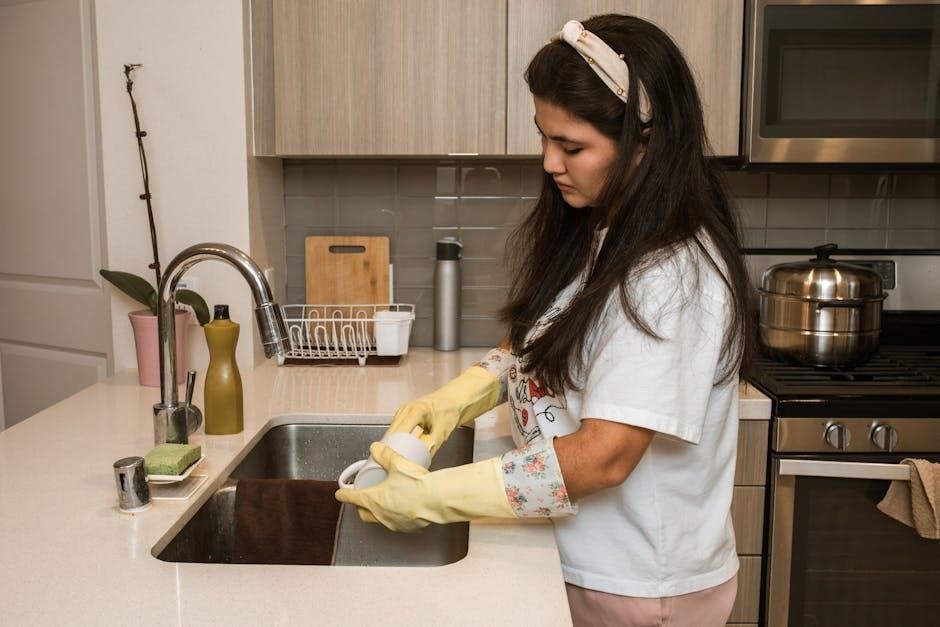
Achieving optimal cleaning performance with your Comfee countertop dishwasher relies heavily on proper loading techniques. Arrange dishes so water reaches all surfaces, avoiding overcrowding which hinders circulation. Ensure items don’t block the spray arms’ rotation.
Place larger items on the lower rack, and smaller, lighter items on the upper rack. Securely position items to prevent movement during the wash cycle. Face soiled surfaces towards the center. Avoid nesting bowls or stacking plates tightly together.
Proper rack arrangement maximizes space and ensures thorough cleaning. Remember to consult the manual for specific loading recommendations for your Comfee model, as variations may exist between different units.
Proper Rack Arrangement
Maximize your Comfee dishwasher’s capacity and cleaning efficiency with strategic rack arrangement. The lower rack is ideal for larger, heavier items like pots, pans, and dinner plates. Ensure these don’t obstruct the spray arm’s movement. The upper rack accommodates smaller items – glasses, cups, and smaller plates.
Adjust the rack height, if possible, to accommodate taller items. Securely position dishes to prevent them from shifting during the wash cycle. Avoid overlapping items, allowing water to reach all surfaces. Utilize the utensil basket effectively, separating forks, knives, and spoons to prevent nesting.

A well-organized rack ensures thorough cleaning and prevents damage to your dishes.
Items to Avoid Washing
Protect your Comfee dishwasher and your valuable items by avoiding certain materials. Hand-wash delicate glassware, antique china, and items with hand-painted decorations, as the dishwasher’s heat and detergents can cause damage. Wooden utensils, bowls, and cutting boards should also be hand-washed to prevent warping or cracking.
Avoid washing cast iron cookware, as it can rust. Aluminum items may discolor. Certain plastics are not dishwasher-safe and may melt or warp; check for a dishwasher-safe symbol. Sharp objects, like knives with exposed blades, pose a safety hazard and should be loaded carefully or hand-washed.
Selecting Wash Programs
Your Comfee dishwasher offers various wash programs to suit different cleaning needs. The Normal Wash Cycle is ideal for everyday dishware with moderate soiling. For energy conservation, choose the Eco Wash Cycle, which uses less water and energy, though it may take longer.
When time is limited, the Quick Wash Cycle provides a faster, though less intensive, clean for lightly soiled dishes. The Delicate Wash Cycle is designed for fragile items like glassware, using lower water temperatures and gentler spray pressure. Explore each program to find the best option for your load!
Normal Wash Cycle
The Normal Wash Cycle on your Comfee dishwasher is the workhorse for daily dishwashing needs. It’s designed for moderately soiled dishes, offering a balance between cleaning power and efficiency. This cycle typically utilizes a standard water temperature and spray intensity, effectively removing food residue and grime from everyday items like plates, bowls, and glasses.
Expect this cycle to run for approximately 90-120 minutes, depending on the model and water temperature. It’s suitable for a full load of dishes, ensuring a thorough clean without excessive water or energy consumption. For best results, pre-scrape large food particles before loading.
Eco Wash Cycle
The Eco Wash Cycle on your Comfee countertop dishwasher prioritizes energy and water conservation without sacrificing cleaning performance. This cycle utilizes lower water temperatures and reduced spray intensity, making it ideal for lightly soiled dishes. While it extends the wash duration – typically around 150-180 minutes – the long-term savings on utility bills are significant.
This cycle is perfect for everyday use when dishes aren’t heavily contaminated with food residue. It’s an environmentally responsible choice, minimizing your carbon footprint. Remember to load the dishwasher fully to maximize efficiency, and use an appropriate amount of detergent for optimal results.
Quick Wash Cycle
The Quick Wash Cycle is designed for lightly soiled dishes that require a fast cleaning solution. Typically completing in around 30-40 minutes, this cycle uses moderate water temperature and spray intensity to efficiently remove recent food residue. It’s perfect when you need dishes cleaned quickly for immediate use, avoiding lengthy wash times.
However, due to its shorter duration, the Quick Wash Cycle isn’t suitable for heavily soiled pots, pans, or baked-on food. Using appropriate detergent is crucial for achieving satisfactory results. This cycle offers convenience without compromising basic cleanliness for everyday dishwashing needs.
Delicate Wash Cycle
The Delicate Wash Cycle is specifically engineered for fragile items like glassware, crystal, and delicate china. This cycle utilizes lower water temperatures and reduced water pressure to prevent chipping, cracking, or damage to sensitive dishware. It ensures a gentle yet effective cleaning process, safeguarding your valuable items.
It’s recommended to use a mild detergent formulated for delicate materials during this cycle. Avoid overloading the dishwasher, as this can increase the risk of breakage. While the Delicate Wash Cycle prioritizes protection, it may require a pre-rinse for heavily soiled items to achieve optimal cleaning results.
Using Detergent & Rinse Aid
Optimal cleaning requires the correct detergent and rinse aid. Use only dishwasher detergents specifically designed for automatic dishwashers; hand soap will create excessive suds. Fill the detergent dispenser before each wash, adjusting the amount based on soil level and water hardness – refer to the detergent packaging for guidance.
Rinse aid minimizes water spots and enhances drying. Fill the rinse aid dispenser regularly; a low rinse aid level can result in streaky dishes. Ensure both dispensers are securely closed to prevent premature release during the wash cycle. Avoid overfilling, as this can lead to residue buildup.
Starting & Monitoring a Wash Cycle
Once loaded with dishes and detergent/rinse aid added, close the dishwasher door securely. Press the power button to activate the unit. Select your desired wash program using the control panel. Press the start/pause button to initiate the cycle. The LED display will show the remaining time.
During operation, avoid opening the door unnecessarily, as this can disrupt the wash cycle and affect cleaning performance. You can briefly pause the cycle using the start/pause button if needed. Upon completion, the dishwasher will beep, and the display will indicate the end of the cycle. Carefully unload the clean dishes.

Maintenance & Troubleshooting
Regular cleaning and addressing common issues will ensure your Comfee dishwasher operates efficiently and reliably for years to come, extending its lifespan.
Cleaning the Dishwasher
Maintaining a clean dishwasher is crucial for optimal performance and hygiene. Regularly cleaning the interior prevents buildup that can affect wash quality and cause odors. Begin by removing any large food particles from the drain. The dishwasher features easily accessible filters and spray arms designed for simple cleaning.
Consistent cleaning extends the life of your Comfee dishwasher and ensures sparkling clean dishes. Neglecting maintenance can lead to decreased efficiency and potential malfunctions. Always disconnect the power before performing any cleaning procedures for safety. A clean dishwasher is a happy dishwasher, providing years of reliable service!
Filter Cleaning Procedure
To clean the filter, locate it at the bottom of the dishwasher’s interior. Rotate the filter counterclockwise to unlock and remove it. Rinse the filter thoroughly under running water, using a soft brush to remove any stubborn food debris. Inspect the filter mesh for any damage and replace if necessary.
Ensure all particles are removed to maintain proper water circulation. Reinstall the filter by aligning the arrows and rotating clockwise until it locks into place. Regularly cleaning the filter – ideally after every few washes – prevents clogging and ensures efficient dishwasher operation. A clean filter equals cleaner dishes!
Spray Arm Cleaning
The spray arms distribute water for effective cleaning. To clean them, gently pull the spray arm upwards and off its axis. Check the spray arm holes for any blockages caused by food particles or mineral deposits. Use a toothpick or small wire to carefully clear any obstructions.
Rinse the spray arm thoroughly under running water to remove dislodged debris. Ensure the spray arm rotates freely after cleaning. Reattach the spray arm, ensuring it clicks securely back into place. Regular spray arm cleaning – monthly is recommended – maintains optimal water pressure and cleaning performance.
Troubleshooting Common Issues
Encountering problems? First, verify the dishwasher is properly connected to power and water. If it Dishwasher Not Starting, check the door latch is securely closed. A tripped circuit breaker can also cause this. For Poor Cleaning Performance, ensure proper loading, adequate detergent, and clean filters and spray arms.
Error Codes indicate specific malfunctions; consult the manual for their meanings. Common codes relate to water inlet issues or drainage problems. If issues persist after these checks, disconnect the power and contact customer support for assistance. Avoid self-repair to prevent damage or safety hazards.
Dishwasher Not Starting
If your Comfee dishwasher fails to start, begin by verifying the power cord is securely plugged into a functioning outlet. Check your home’s circuit breaker or fuse box to ensure the circuit hasn’t tripped or blown. A crucial step is confirming the dishwasher door is firmly latched; it won’t operate if not fully closed.
Also, examine the control panel for any active error codes, referencing the manual for their specific meanings. If these checks don’t resolve the issue, try resetting the dishwasher by unplugging it for several minutes before plugging it back in. If the problem persists, contact customer support.
Poor Cleaning Performance
If dishes aren’t coming out clean, first ensure you’re using the correct amount of dishwasher detergent and a rinse aid. Overloading the dishwasher prevents proper water circulation, hindering cleaning effectiveness. Verify the spray arms are rotating freely and aren’t clogged with food particles – remove and clean them if necessary.
Also, check and clean the dishwasher filter regularly, as a dirty filter significantly reduces cleaning power. Selecting the appropriate wash cycle for the load type is vital; heavily soiled items require a more intensive cycle. Finally, ensure water temperature reaching the dishwasher is at least 120°F (49°C).

Error Codes & Their Meanings
Your Comfee dishwasher utilizes error codes to signal specific issues. An “E1” code typically indicates a water inlet problem – check the water supply and inlet valve. “E2” suggests a drainage issue; inspect the drain hose for kinks or blockages and ensure the drain pump is functioning correctly. “E3” often points to a temperature sensor malfunction, requiring professional service.
“E4” signals a water overflow situation, potentially due to a faulty float switch. If you encounter any error code, consult the full manual for a comprehensive list and recommended troubleshooting steps before contacting customer support.