
Fire Inspection Checklist PDF: A Comprehensive Guide
Navigating fire safety demands diligent preparation, and a readily available fire inspection checklist PDF is crucial for ensuring compliance and minimizing potential hazards.
These documents, often provided by state or municipal authorities, streamline the inspection process, offering a structured approach to identifying and rectifying fire safety deficiencies.
Understanding Fire Inspection Checklists
Fire inspection checklists are systematic tools designed to evaluate a building’s adherence to fire safety regulations and codes. They aren’t merely lists; they represent a critical component of proactive fire prevention, ensuring life safety and property protection. These checklists, frequently available as PDF documents, provide a standardized method for inspectors to assess various aspects of a facility, from the functionality of fire extinguishers to the clarity of exit pathways.
The core purpose is to identify potential fire hazards before they escalate into emergencies. They detail specific requirements outlined in fire codes – like the 2020 Minnesota State Fire Code (MSFC) – and guide inspectors through a thorough evaluation. Jurisdictions often utilize these checklists as-is or adapt them to suit local needs. Understanding that compliance with these items facilitates a smoother inspection process is key for building owners and managers.
Effectively, a checklist transforms a potentially ambiguous inspection into a focused, objective assessment, promoting transparency and accountability.
Why Use a Fire Inspection Checklist?
Utilizing a fire inspection checklist PDF offers numerous benefits, primarily centered around enhanced safety and regulatory compliance. These checklists ensure no critical fire safety element is overlooked during an inspection, minimizing risks to occupants and property. They provide a structured, repeatable process, reducing subjectivity and promoting consistency across inspections.
For building owners, a checklist facilitates proactive hazard identification and correction, potentially avoiding costly fines and legal repercussions. The City of Billings, MT, for example, provides a printable checklist to aid in this process. Furthermore, a completed checklist serves as valuable documentation, demonstrating due diligence in maintaining a safe environment.
By streamlining the inspection process, these tools save time and resources for both inspectors and property managers, fostering a collaborative approach to fire safety.
Types of Fire Inspection Checklists
Fire inspection checklist PDFs aren’t one-size-fits-all; they vary based on occupancy type and applicable codes. General fire safety checklists provide a broad overview suitable for basic hazard identification in various settings. However, commercial building fire inspection checklists are far more detailed, addressing complex systems like sprinkler systems and fire alarm panels.
Residential fire inspection checklists, while less extensive, focus on hazards specific to homes, such as smoke detector placement and escape route clarity. The Minnesota Department of Public Safety offers checklists tailored to the 2020 Minnesota State Fire Code, demonstrating a jurisdiction-specific approach.
These checklists can be further categorized by specific industries or processes, ensuring relevant safety measures are assessed. Selecting the appropriate checklist is crucial for a thorough and effective inspection.
General Fire Safety Checklist
A general fire safety checklist PDF serves as a foundational tool for assessing basic fire protection measures across diverse environments. These checklists typically cover essential elements like the presence and functionality of smoke detectors, ensuring they are appropriately placed and regularly tested.
They also verify the availability of fire extinguishers, confirming they are charged, accessible, and the correct type for potential hazards. Clear exit paths, free from obstructions, are a key focus, alongside properly illuminated exit signs.
Basic housekeeping practices, such as the absence of excessive combustible materials, are also evaluated. While not exhaustive, a general checklist provides a vital first step in identifying and mitigating common fire risks, promoting a safer environment for occupants.
Commercial Building Fire Inspection Checklist
Commercial building fire inspection checklist PDFs are significantly more detailed than general checklists, reflecting the complex fire safety requirements of businesses. These forms meticulously examine fire suppression systems, including sprinkler systems and hood and duct systems, verifying regular maintenance and proper operation.
Fire alarm systems receive thorough scrutiny, assessing functionality, monitoring, and adherence to code requirements. Emergency lighting is checked for proper illumination and backup power capabilities.
Crucially, these checklists address hazardous materials storage, ensuring compliance with regulations and safe handling procedures. Electrical safety, encompassing wiring, panels, and potential hazards, is also a key component. Compliance with these items, as noted by the City of Billings, MT, helps ensure a smoother inspection process.
Residential Fire Inspection Checklist
Residential fire inspection checklist PDFs, while less extensive than commercial versions, remain vital for safeguarding lives and property. These checklists prioritize the functionality of smoke detectors, verifying proper installation, testing, and battery status on every level of the home.
Fire extinguishers are assessed for accessibility, charge level, and appropriate type for potential hazards. Means of egress, including clear pathways to exits and unobstructed doorways, are carefully examined.
Inspectors also evaluate electrical safety, looking for overloaded circuits, damaged wiring, and proper use of extension cords. While not always explicitly detailed in readily available PDFs, safe storage of flammable materials is often considered. Utilizing resources like those from the Minnesota Department of Public Safety can aid in understanding applicable codes and creating a comprehensive assessment.
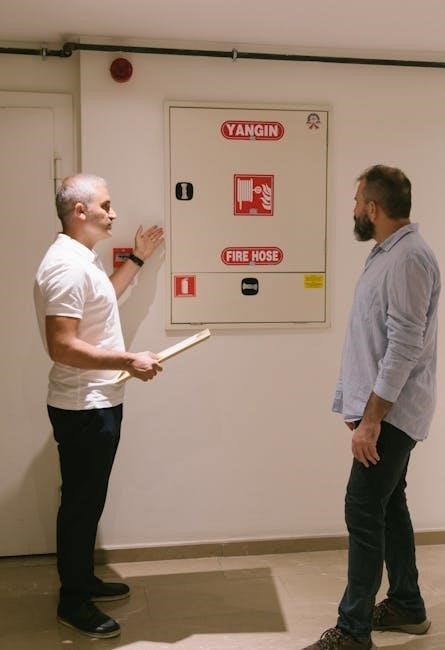
Key Components of a Fire Inspection Checklist

Fire inspection checklist PDFs universally incorporate several key components to ensure thorough evaluations. Fire extinguishers are always a primary focus, assessing their type, accessibility, and inspection tags. Fire alarm systems are scrutinized for proper functionality, including testing records and clear audibility throughout the premises.
Emergency lighting is checked to confirm it operates during power outages, illuminating exit routes. A critical element is the evaluation of means of egress – ensuring exits are unobstructed and clearly marked with appropriate exit signs.
Furthermore, checklists address hazardous materials storage, electrical safety, and general housekeeping and maintenance practices. Detailed documentation and records of inspections and corrective actions are also essential components, ensuring accountability and ongoing safety.
Fire Extinguishers
Fire extinguisher assessments within a fire inspection checklist PDF are incredibly detailed. Inspectors verify the correct type of extinguisher is present for the potential fire hazards in each area – Class A, B, C, D, or K. Crucially, they check for unobstructed access; extinguishers must be readily available and not blocked by furniture or other objects.
Inspection tags are meticulously examined to confirm extinguishers have been serviced and are currently within their inspection date. The pressure gauge is verified to ensure adequate pressure for effective operation. Inspectors also visually assess extinguishers for any signs of damage, such as corrosion or dents.
Proper mounting height and location are confirmed, adhering to established fire codes. Training records demonstrating staff knowledge of extinguisher operation may also be requested during the inspection process.

Fire Alarm Systems
Fire alarm systems are a critical component assessed within a comprehensive fire inspection checklist PDF. Inspectors verify the system’s proper functionality, ensuring all components are operational and interconnected. This includes checking the control panel for any trouble signals or faults, and confirming that the system is connected to a monitoring center, if required.
Pull stations are tested to ensure they activate the alarm signal, and audible/visual alarms are checked for sufficient volume and visibility throughout the building. Documentation of recent inspections and maintenance performed by a qualified technician is essential.
Inspectors also review the fire alarm system’s evacuation plan and ensure it aligns with the building’s occupancy and layout. Battery backup systems are verified to guarantee operation during power outages.
Emergency Lighting
Emergency lighting is a vital safety feature scrutinized during a fire inspection checklist PDF review. Inspectors confirm that emergency lights are strategically positioned to illuminate exit routes and critical areas during power failures, ensuring safe evacuation. Functionality is paramount; each unit must activate automatically upon power loss and provide sufficient illumination for at least 90 minutes.
Regular testing and maintenance records are crucial, demonstrating compliance with safety standards. Inspectors verify that the lights are free from obstructions and are not damaged or malfunctioning.
The checklist also confirms that emergency lighting is integrated with the building’s overall fire safety plan, and that staff are aware of its location and operation. Proper documentation of battery replacement and routine checks is essential for a successful inspection.
Means of Egress

Means of egress, encompassing all exit routes, are a primary focus within a fire inspection checklist PDF. Inspectors meticulously evaluate the accessibility and safety of these pathways, ensuring they facilitate swift and orderly evacuation during emergencies. This includes verifying that all exits are clearly marked, unobstructed, and lead to a safe exterior location.
The checklist details requirements for exit door operation – doors must open easily from the inside without keys or special knowledge. Stairwells must be enclosed and free of flammable materials.
Capacity is also assessed; exits must be adequately sized to accommodate the building’s occupancy load. Documentation of regular inspections and maintenance of egress components is vital for demonstrating compliance and ensuring occupant safety.
Exit Signs
Exit signs are a critical component assessed during a fire inspection checklist PDF review, ensuring clear and unambiguous direction during emergencies. Inspectors verify compliance with regulations regarding illumination, visibility, and placement. Signs must be readily visible from all directions and maintained in operational condition, even during power outages.
The checklist details requirements for sign size, lettering, and mounting height, often referencing specific codes like those outlined by the Minnesota State Fire Code. Emergency lighting backup is crucial; signs must remain illuminated even if primary power fails.
Inspectors also confirm that signs are not obscured by decorations or obstructions and accurately indicate the direction of nearest exits. Proper signage is paramount for facilitating a safe and efficient evacuation.
Clear Exit Paths

A fire inspection checklist PDF meticulously examines clear exit paths, vital for swift and safe evacuation during emergencies. Inspectors verify that hallways, corridors, and doorways are free from obstructions, ensuring unimpeded access to exits. This includes checking for stored materials, equipment, or furniture blocking pathways.
The checklist details requirements for minimum pathway widths, often referencing specific fire codes. Inspectors confirm that exit routes are clearly defined and maintained, free from tripping hazards. Proper illumination along exit paths is also assessed, alongside the functionality of emergency lighting systems.
Compliance with these standards, as emphasized in resources like the Minnesota Department of Public Safety checklists, is crucial for minimizing evacuation times and preventing injuries.
Hazardous Materials Storage

A comprehensive fire inspection checklist PDF dedicates significant attention to hazardous materials storage, a critical aspect of fire prevention. Inspectors verify proper labeling, segregation, and containment of flammable liquids, gases, and other dangerous substances.
The checklist assesses compliance with regulations regarding storage quantities, ventilation, and the presence of appropriate fire suppression systems in storage areas. Proper Material Safety Data Sheets (MSDS) accessibility is also confirmed, ensuring emergency responders have vital information.
Inspectors scrutinize storage practices to prevent accidental ignition or reactions, referencing specific fire codes. Resources like checklists from the City of Billings, MT, highlight the importance of secure storage and spill control measures, minimizing fire risks associated with hazardous materials.
Electrical Safety
Fire inspection checklist PDFs heavily emphasize electrical safety, a leading cause of fires. Inspectors meticulously examine electrical panels for proper labeling, adequate capacity, and absence of overloaded circuits. They verify the condition of wiring, looking for frayed insulation or improper connections.
The checklist assesses compliance with grounding requirements and the use of appropriate overcurrent protection devices like circuit breakers and fuses. Extension cord usage is scrutinized, ensuring they aren’t used as permanent wiring or overloaded.
Inspectors confirm that electrical equipment is properly maintained and free from defects. Resources, such as those from the Minnesota Department of Public Safety, highlight the importance of adhering to the Minnesota State Fire Code (MSFC) regarding electrical installations and maintenance.
Housekeeping and Maintenance
Fire inspection checklist PDFs dedicate significant attention to housekeeping and maintenance, recognizing their vital role in fire prevention. Accumulations of combustible materials – dust, debris, and waste – are primary concerns, as they provide fuel for rapid fire spread.
Inspectors verify proper storage of flammable liquids and materials, ensuring they are contained and away from ignition sources. The checklist assesses the condition of building fabrics, like upholstery and curtains, for flammability and cleanliness.
Regular maintenance of heating systems, ventilation equipment, and other machinery is confirmed. A clean and organized environment, as emphasized in resources like the City of Billings, MT checklist, significantly reduces fire risks and facilitates safe evacuation during emergencies.

Documentation and Records
Fire inspection checklist PDFs invariably emphasize the importance of meticulous documentation and records relating to fire safety. Maintaining accurate records demonstrates proactive compliance and aids in identifying recurring issues.
Inspectors will verify the presence of records pertaining to fire alarm system testing, fire extinguisher inspections, sprinkler system maintenance, and emergency lighting checks. Documentation of staff training on fire safety procedures, including evacuation drills, is also crucial.

The Minnesota Department of Public Safety checklists highlight the need for readily accessible records during inspections. Proper record-keeping not only satisfies regulatory requirements but also provides a valuable historical reference for improving overall fire safety measures within a facility.
Specific Checklist Items (Based on Common Codes)
Fire inspection checklist PDFs frequently detail specific items based on prevailing fire codes. These commonly include a sprinkler system inspection, verifying proper water flow, valve operation, and unobstructed sprinkler heads.
Another critical element is hood and duct system cleaning, particularly in commercial kitchens, to prevent grease buildup and potential fires. Checklists also address fire door functionality, ensuring they self-close and latch correctly.
The City of Billings, MT checklist exemplifies this detail, covering aspects like proper storage of flammable liquids and the condition of exit routes. These checklists often reference specific code sections, allowing for targeted compliance. Thorough attention to these specific items, as outlined in the PDF, is vital for a successful inspection.
Sprinkler System Inspection
Fire inspection checklist PDFs dedicate significant attention to sprinkler system inspection, a cornerstone of fire suppression. These checklists verify the system’s operational readiness, beginning with a visual assessment of all sprinkler heads for obstructions, damage, or corrosion.
Inspectors confirm proper water supply pressure and adequate flow, often testing key valves to ensure smooth operation. The integrity of piping and hangers is also scrutinized, looking for leaks or signs of deterioration.
Documentation review is crucial, verifying recent hydrostatic testing and maintenance records. A functional test, activating the alarm and observing water discharge, confirms the system’s responsiveness. Adherence to these checklist points, detailed in the PDF, guarantees a reliable fire defense.
Hood and Duct System Cleaning
Fire inspection checklist PDFs prioritize hood and duct system cleaning, vital in commercial kitchens where grease accumulation poses a significant fire risk. These checklists mandate verifying cleaning frequency, typically quarterly for high-volume cooking operations, and confirming documented proof of professional cleaning services.
Inspectors assess the hood filters for excessive grease buildup and ensure the ductwork is free from obstructions. They check for proper installation of grease traps and confirm their regular maintenance.
The checklist also includes verifying the integrity of the duct sealing and the presence of a listed and labeled grease removal system. Thorough cleaning, as outlined in the PDF, prevents grease fires from igniting and spreading through the ventilation system, safeguarding lives and property.
Accessing Fire Inspection Checklist PDFs
Fire inspection checklist PDFs are readily available from various official sources, simplifying compliance efforts. The Minnesota Department of Public Safety provides comprehensive checklists aligned with the 2020 Minnesota State Fire Code (MSFC), offering resources for inspection staff and adaptable templates for local jurisdictions.
Alternatively, the City of Billings, MT official website hosts a printable Business Fire Inspection Checklist in PDF format, designed to streamline the inspection process for commercial establishments. These checklists cover essential fire safety elements.
Furthermore, many state and local fire marshal offices offer downloadable PDFs on their websites. A quick online search using terms like “[Your State/City] fire inspection checklist PDF” will often yield relevant results, ensuring access to the most current and applicable forms.
Minnesota Department of Public Safety Checklists
The Minnesota Department of Public Safety offers a robust collection of fire code inspection checklists in PDF format, serving as a vital resource for professionals conducting inspections under the 2020 Minnesota State Fire Code (MSFC). These checklists aren’t merely templates; they are designed for practical application by inspection staff.
Importantly, these resources are flexible. Inspectors can utilize the checklists “as-is” for standardized evaluations or adapt them to create customized forms tailored to the specific needs and regulations of their jurisdiction. This adaptability ensures relevance and efficiency.
The available PDFs cover a wide range of occupancy types and fire safety systems, providing detailed guidance on identifying potential hazards and verifying compliance with state fire codes; Accessing these checklists promotes consistent and thorough inspections throughout Minnesota.
City of Billings, MT Checklist
The City of Billings, Montana’s Fire Prevention Bureau provides a readily accessible Business Fire Inspection Checklist in PDF format directly on their official website. This checklist is specifically designed to assist business owners and managers in preparing for fire safety inspections.
While the fire code encompasses a vast number of sections, the City of Billings emphasizes that focusing on the items included in this checklist will significantly contribute to a smoother and more efficient inspection process. It’s a proactive approach to fire safety compliance.
The checklist serves as a valuable self-assessment tool, allowing businesses to identify and address potential deficiencies before an official inspection takes place. This printable PDF is a practical resource for maintaining a safe environment for employees and customers alike.
Customizing Your Fire Inspection Checklist
While pre-made fire inspection checklist PDFs offer a solid foundation, tailoring them to your specific needs is often essential. The Minnesota Department of Public Safety explicitly states their checklists can be used “as-is or as a guide to develop customized forms.”
Consider the unique characteristics of your building or facility. Factors like occupancy type, size, and the presence of hazardous materials will influence the relevant inspection points. Add or remove items to reflect these specifics.
Customization allows you to prioritize areas of concern and ensure the checklist comprehensively addresses potential risks. Don’t hesitate to incorporate site-specific procedures or local code amendments. A personalized checklist enhances the effectiveness of your fire safety program.
Using a PDF Checklist Effectively

Leveraging a fire inspection checklist PDF requires a systematic approach for optimal results. Digital PDFs allow for easy annotation – marking deficiencies directly on the form during the inspection. Utilize features like highlighting and commenting to clearly document findings.
Ensure inspectors are thoroughly trained on the checklist’s contents and proper usage. Consistency in application is vital for accurate assessments. After the inspection, promptly review the completed checklist and prioritize corrective actions.
Maintain a digital archive of completed checklists for tracking progress and demonstrating due diligence. Regularly update the PDF checklist to reflect changes in codes or building conditions. A well-utilized checklist is a powerful tool for proactive fire safety management.
Resources for Fire Safety Information
For specific municipal guidance, the City of Billings, MT offers a printable Business Fire Inspection Checklist in PDF format, focusing on common code compliance points.
Furthermore, the National Fire Protection Association (NFPA) and local fire departments are invaluable resources. Regularly consult updated fire codes and participate in relevant training programs to stay informed. Proactive learning ensures a safer environment and effective checklist implementation.